
Eye care • Anantapur
Day-care cataract surgery with personalised lens choice, done in a modular eye operation theatre.
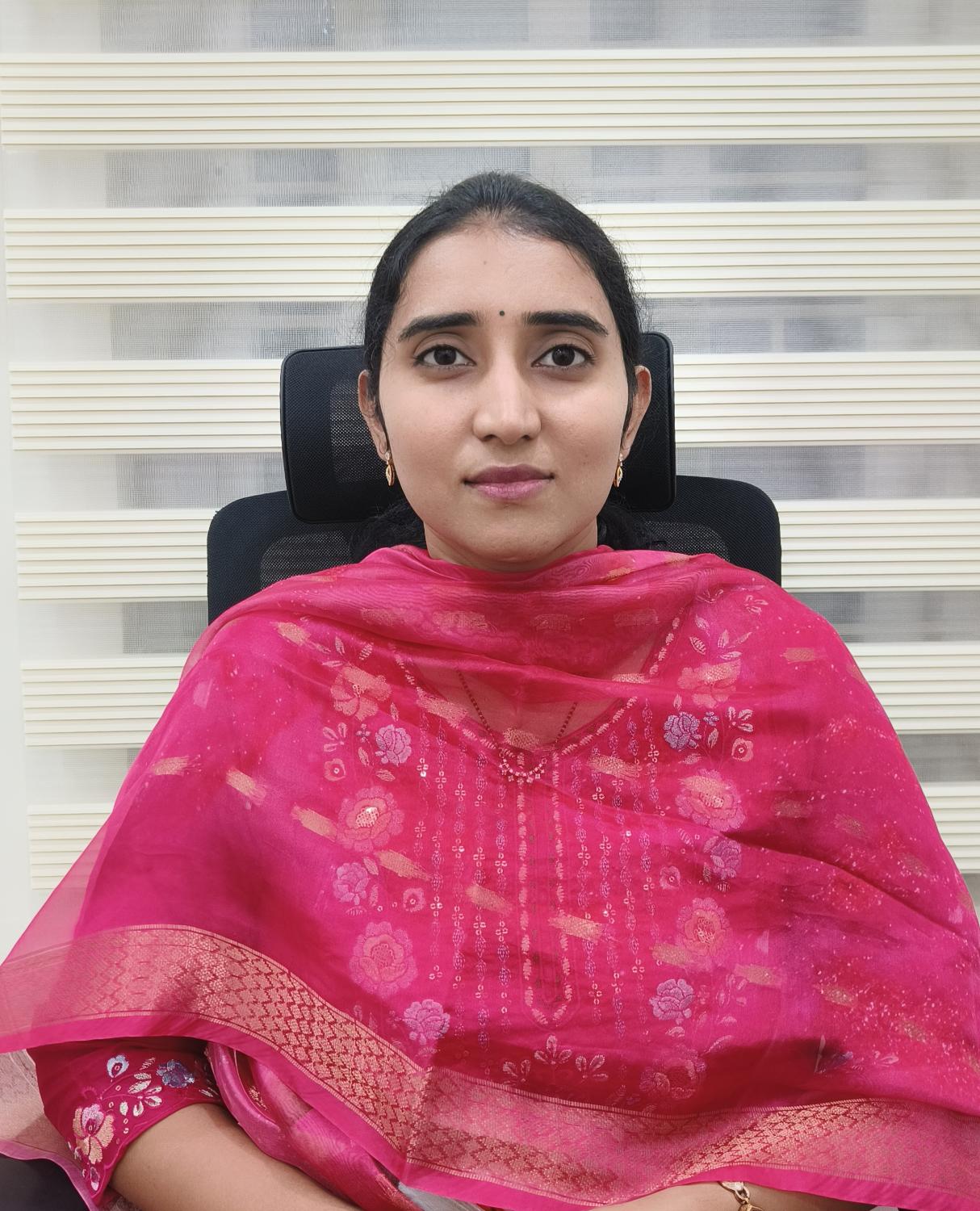
Your surgeon
Consultant Ophthalmologist & Phaco Surgeon, Anantapur
MBBS, MS (Ophthalmology), FIOL · Medical Retina. Very experienced ophthalmologist; patients consult her as a leading eye surgeon in Anantapur for cataract and phaco surgery.
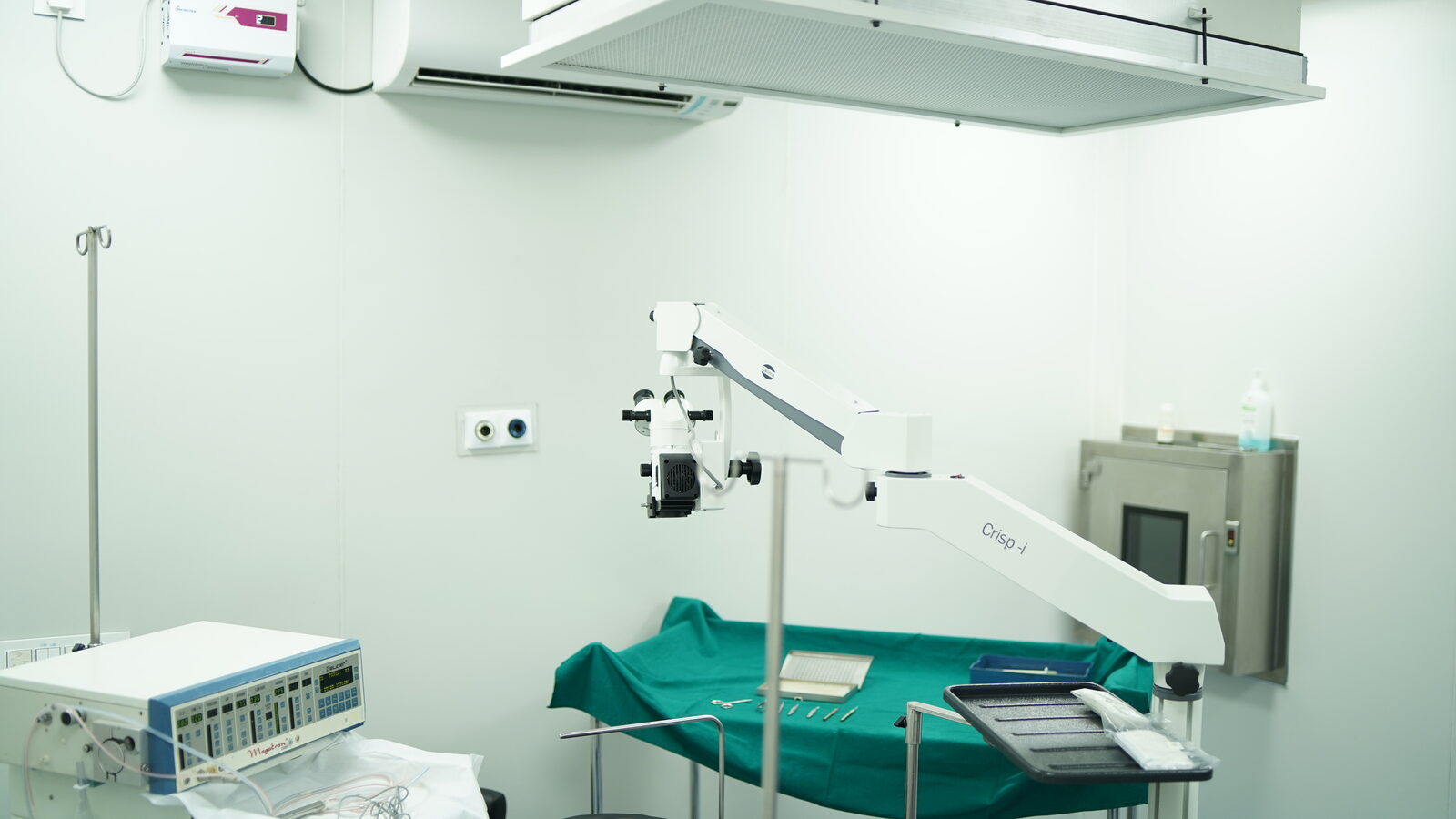
Modular eye OT
Phacoemulsification is done in the hospital’s modular eye OT, with an operating microscope and monitored anaesthesia support. Most patients go home the same day after the doctor’s check.
Lens choice — standard or premium IOL — is discussed in OPD after eye measurement. Final advice is given by Dr. Jyothi, not online.
Also available
Fundus imaging and visual fields are available in the same hospital. If you have sugar, a retina photo is useful even when vision feels normal.
Fundus imaging ₹800 · Visual fields ₹1,000. Charges confirmed at billing.
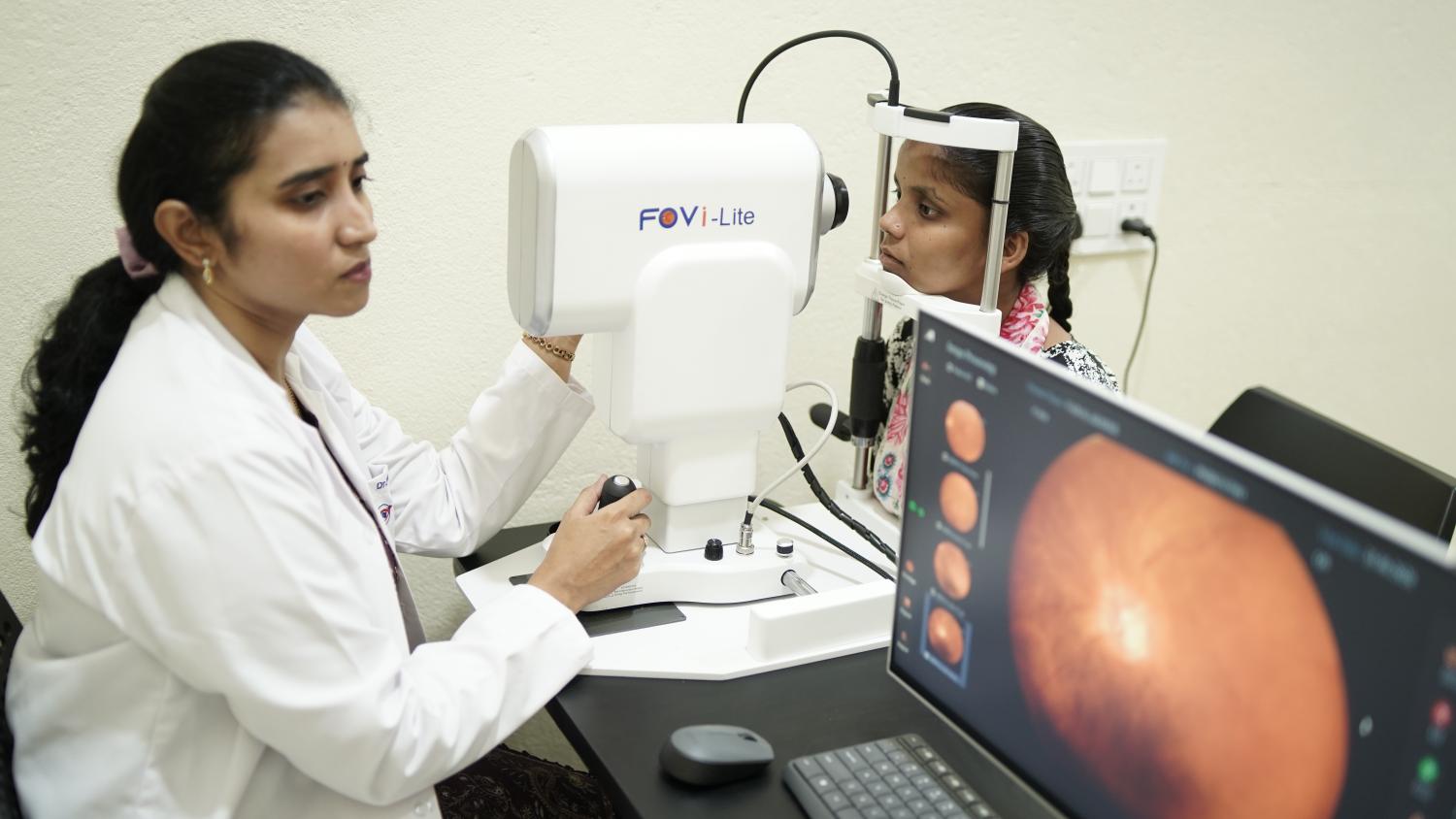
General information for patients in Anantapur. It is not a personal surgical plan. Dr. Mannem Jyothi decides after examining your eye.
A cataract is clouding of the eye’s natural lens. Vision becomes hazy, colours look dull, and headlights or sunlight may glare. It is common with age. It is not a film on the surface of the eye, and drops cannot clear the lens once it is cataractous.
Surgery is advised when the cataract stops you doing work you need to do — reading, driving, recognising faces, or working — not only because a scan mentions a cataract. Some early cataracts are watched. The decision is made in the clinic after vision testing and a dilated eye examination.
In phacoemulsification the cloudy lens is broken up with ultrasound through a very small incision and removed. A clear intraocular lens (IOL) is placed in the same capsular bag. The incision is usually self-sealing, so stitches are not routine. Surgery is done under the operating microscope in the hospital’s modular eye theatre.
The eye is numbed with drops or a local injection. You may be given medicine to relax. You stay awake but you do not see the instruments; most people notice light and movement only. The eye should not feel sharp pain. Tell the team at once if you do. The operation itself is often about 15–30 minutes; the morning in hospital is longer because of preparation and the check before you leave.
It is day care for most patients. You come in the morning and go home the same day if the post-operative check is satisfactory. An adult attendant is required for consent and to take you home. Do not plan to drive yourself. Book the date at least one day in advance; the hospital confirms fasting and which tablets to take.
The eye is measured in OPD before a lens is chosen. A monofocal IOL is set for one distance, usually far, and glasses are used for reading. A toric IOL is considered when astigmatism needs correction. Multifocal or extended-range lenses can reduce dependence on glasses, but they are not right for every eye and can cause halos at night in some people. Cost depends on the lens. Dr. Jyothi discusses this before the date is fixed. Do not choose a lens from this page alone.
Many people need reading glasses after a monofocal lens. Some still need a small distance correction. Premium lenses reduce glasses for selected patients; they do not promise zero glasses. The target is discussed before surgery.
Yes, if sugar is controlled and the retina has been checked. Cataract surgery does not repair vision already lost from diabetic retinopathy, glaucoma or macular disease. Fundus imaging is advised before listing when diabetes is present. Fundus imaging is ₹800 and visual fields are ₹1,000; the reception desk confirms charges.
Usually one eye is done first. The second eye is planned after the first eye has settled and the result is reviewed. Doing both eyes on one day is not the routine here.
Cataract surgery is commonly performed and serious complications are uncommon, but no eye operation is risk-free. Problems that can occur include infection, bleeding, persistent swelling, raised eye pressure, retinal swelling or detachment, a displaced lens, glare and, rarely, loss of vision. Pre-existing retinal or optic-nerve disease will still limit the final vision. These points are explained again when you sign consent.
Use the prescribed antibiotic and anti-inflammatory drops exactly as written. Do not rub or press the eye. Avoid soap and water in the eye, swimming, and heavy lifting until you are told otherwise. Wear the shield while sleeping if it is given to you. Most people notice clearer vision within a few days. The eye finishes healing over about four to six weeks. Come earlier than your review if pain, redness or a sudden drop in vision appears.
Dr. Mannem Jyothi, MBBS, MS (Ophthalmology), FIOL, consultant ophthalmologist and phaco surgeon. She is a very experienced ophthalmologist, and patients in and around Anantapur consult her as the best ophthalmologist in Anantapur for cataract and phaco surgery. She also sees medical retina. Surgery is done in the hospital’s modular eye operation theatre at Sai Nagar.